Life Education Trust
Mapping the magic that brings Harold's classroom to life
Understanding what makes the iconic Life Ed mobile classroom unforgettable for teachers and students
- Service design
What we delivered
- Insights into teachers' experiences with Life Education Trust, revealing what makes the programme uniquely valuable
- A comprehensive understanding of how the Healthy Harold programme comes to life through interactions between educators, teachers, students, and whānau
- A service blueprint mapping the end-to-end journey that will guide future innovation while preserving the magic
- Clear areas to focus on to enhance the programme based on real user needs
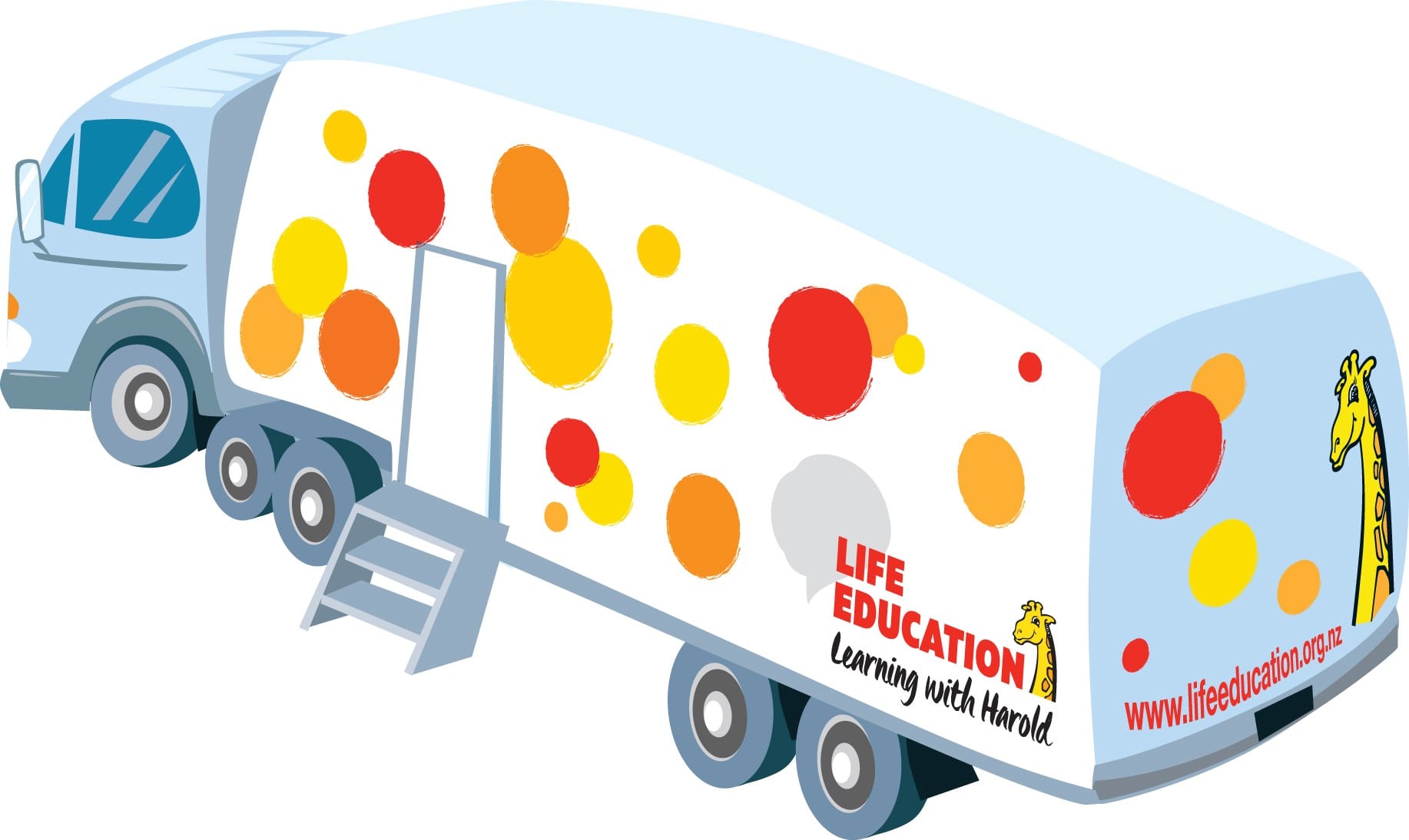
A truly Kiwi experience
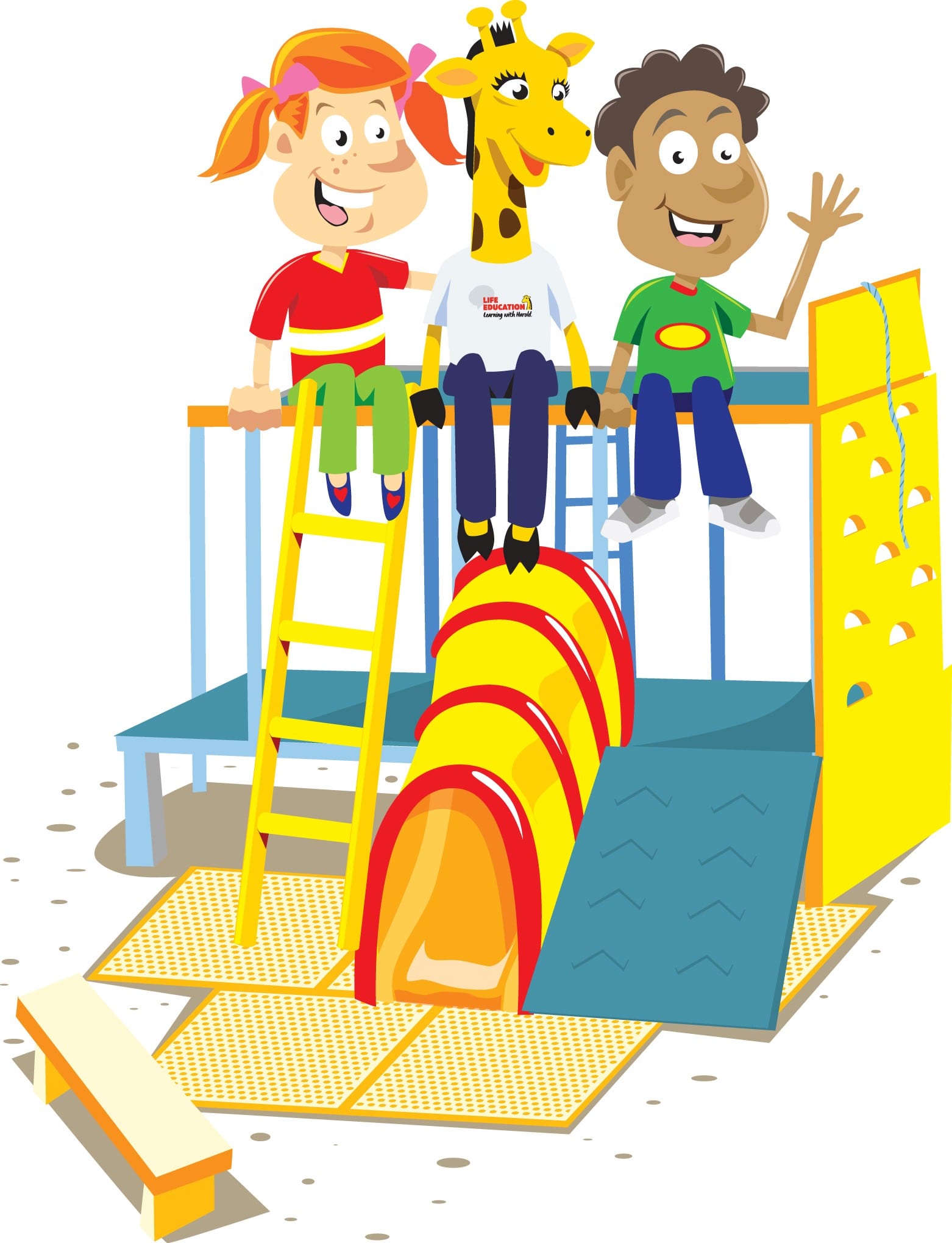
Remember Harold the Giraffe? For generations of Kiwi kids, climbing into Life Education Trust's mobile classroom has been a highlight of the school year. The textured walls, the excitement of the starlit roof, the anticipation of what Harold might say, and the way health topics come alive – it's a uniquely magical experience that's been woven into the fabric of education in Aotearoa.
How do you evolve a much-loved service while keeping that magic alive? Life Education Trust asked us to help them understand how they could use evolving technology to enhance their programme. Before jumping into technical solutions, we knew we needed to understand what makes the current experience so special.
From possibilities to priorities
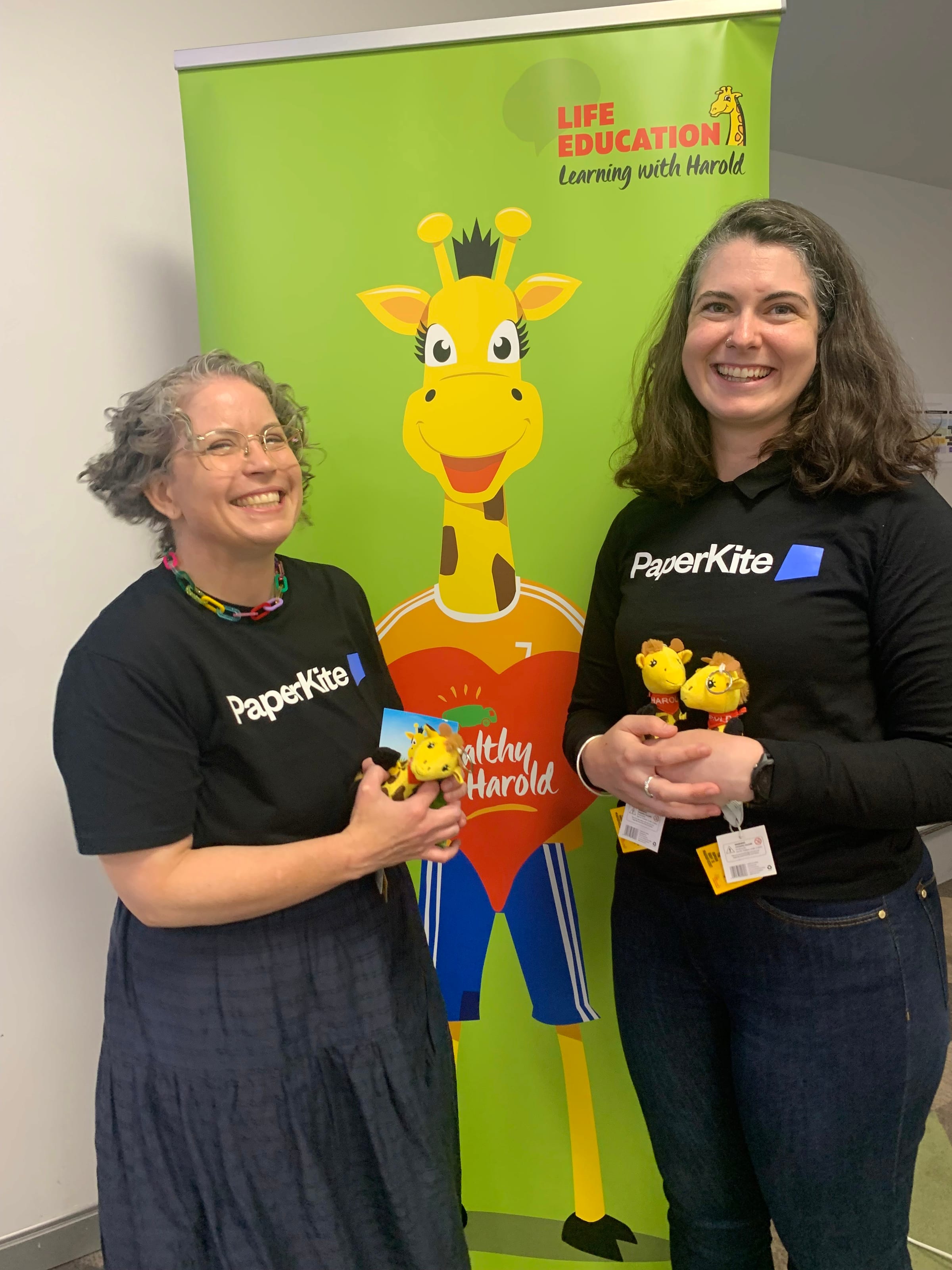
We kicked off by bringing curious minds from Life Ed and PaperKite together for a series of design thinking workshops. Through structured exploration, we explored how AI, alongside other emerging technologies, could transform and enrich the Life Ed experience, creating smarter tools for educators and students. But more importantly, these sessions helped us identify and sharpen the key challenges we needed to tackle.
The conversations were rich and wide-ranging, but they helped us focus our attention on specific problems worth solving.
Building a map
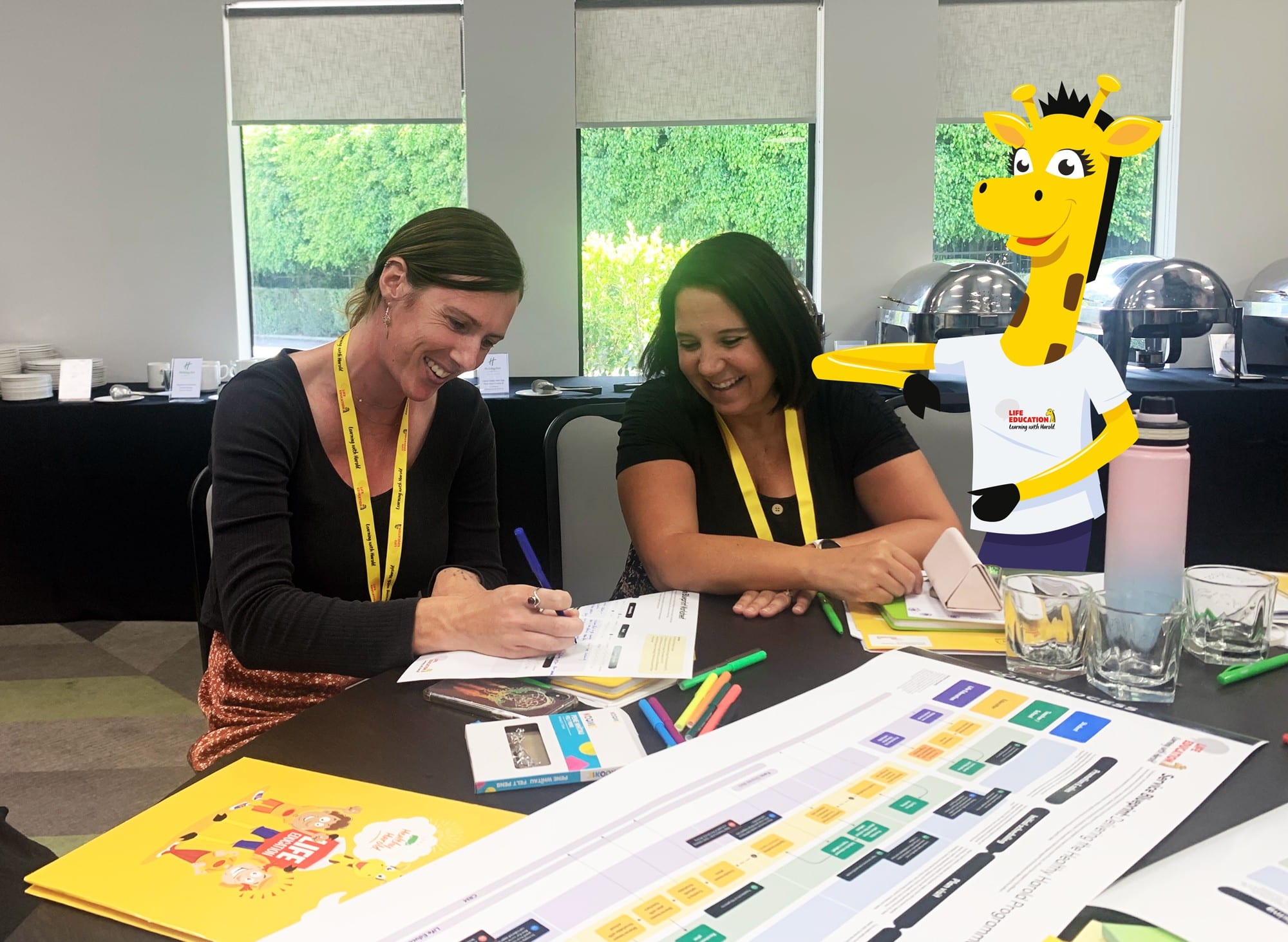
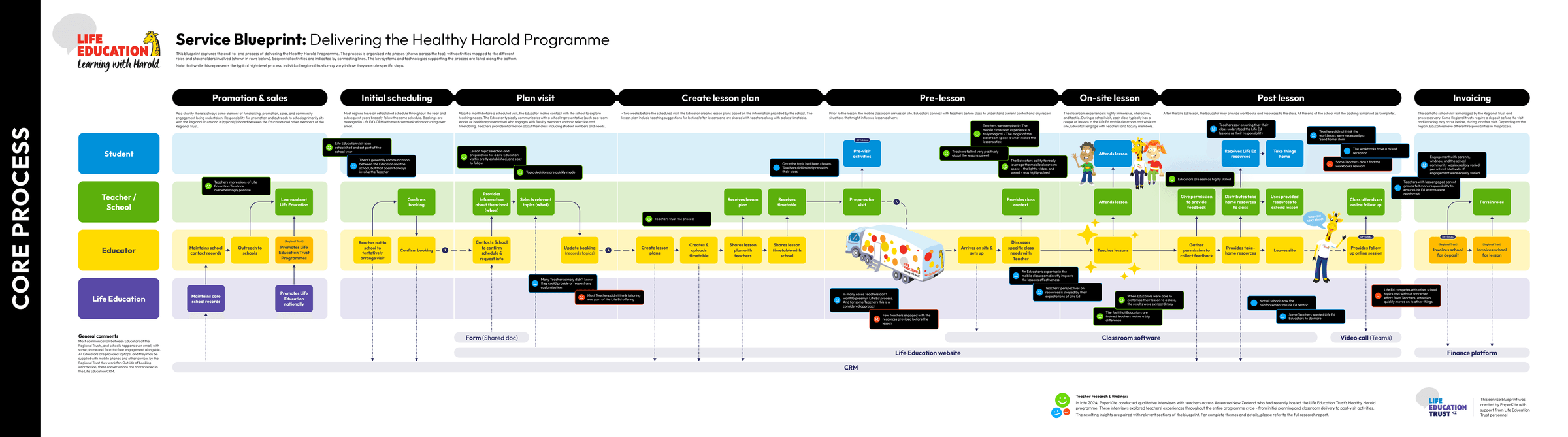
Before diving into new technology, we needed to understand exactly how Life Education Trust brings their captivating programme to schools across Aotearoa. Working closely with the national office team, we mapped out the end-to-end process – from initial school contact and lesson planning, through the all important classroom visit, to post-visit feedback and beyond.
The service blueprint approach let us see the whole journey through multiple lenses: the experience of teachers and students, the support provided by the national office, and the role of technology. And set us up for a successful research phase.
Understanding the magic through research
Armed with our understanding of the whole picture, we talked to teachers across Aotearoa who had recently hosted Life Ed. Their feedback was overwhelmingly positive – the mobile classroom creates an atmosphere where learning sticks in a way that's hard to replicate elsewhere.
But we also uncovered opportunities to make a great experience even better. Teachers shared their challenges: finding quality resources for their classes, managing competing time pressures, and navigating diverse classroom needs. Most importantly, we learned that while Harold and the mobile classroom are beloved parts of the experience, it’s the skilled educators of Life Education Trust who truly bring the magic to life.
Connecting the dots
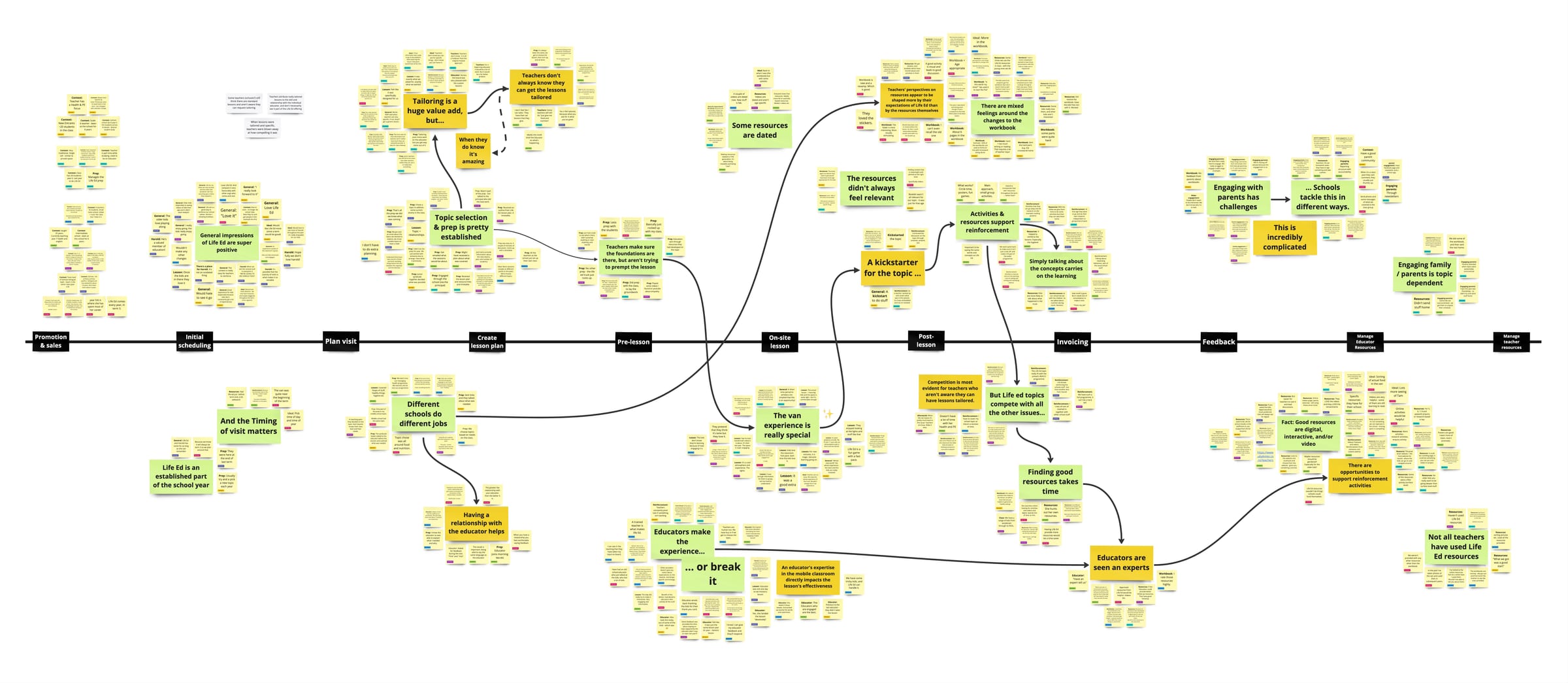
By mapping our research insights onto the service blueprint, patterns emerged. We could see how seemingly small moments, like an educator taking time to understand the specific needs of an individual class, have a huge impact on the programme's effectiveness. The blueprint also highlighted where technology could reduce administrative burden, giving educators and teachers more time to focus on what they do best – creating those magical learning moments.
On the conclusion of our work, we were excited to be invited to present at the Life Education Trust annual Educator Conference in Auckland. At the conference we shared our findings, the service blueprint, and ran a design-thinking workshop with educators from across the country, gathering their input and ideas for how to tackle the opportunities we identified.
Making a difference that matters
Working with Life Education Trust reminded us why we love what we do. It's not just about creating technical solutions – it's about understanding what makes experiences special and finding ways to preserve and enhance that magic.
By taking the time to really understand the human side of the programme, we’ve helped create a solid foundation for future technical work, ensuring that any new solutions enhance rather than disrupt the special experience that makes Life Education Trust unique.